PELAGOS SANCTUARY
Three Countries, one goal
To ensure a favourable conservation status of marine mammals by protecting them
and their habitats from direct or indirect negative impacts of human activities
ABOUT US
A cross-border Sanctuary for the saveguard of marine biodiversity
On the 25th of November 1999, the Pelagos Agreement was signed in Rome by France, Italy and the Principality of Monaco.
Having come into effect on February 21th 2002, the main role of the Pelagos Agreement is to promote harmonised actions and management measures for the protection of cetaceans and their habitats against all causes of human-induced disturbance and mortality (e.g., pollution, noise, accidental capture, injury, etc).

SPECIES
8 species of whales and dolphins live in the Sanctuary on a regular basis
and the monk seal can be spotted occasionally
The marine mammals of the Sanctuary have their particular lifestyle and habits and socially interact in different ways.
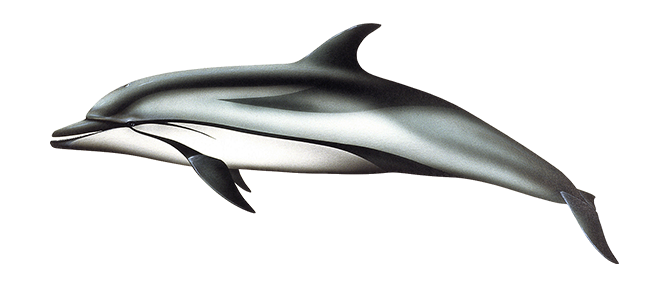
Striped dolphin
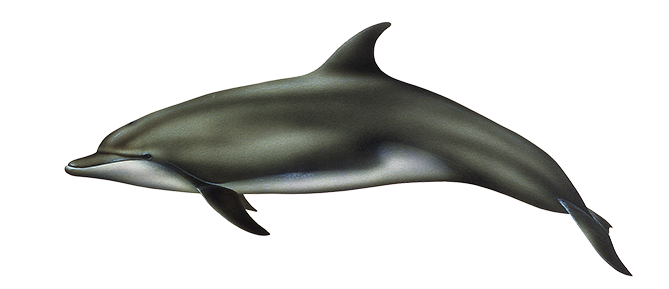
Bottlenose dolphin
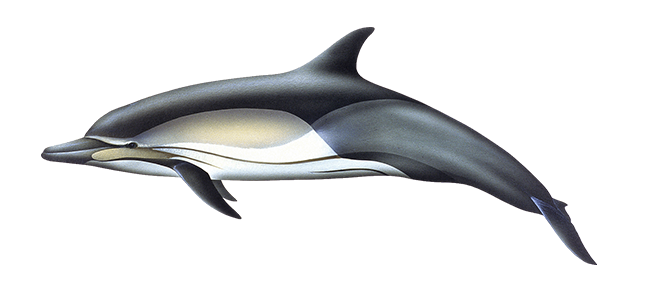
Common dolphin
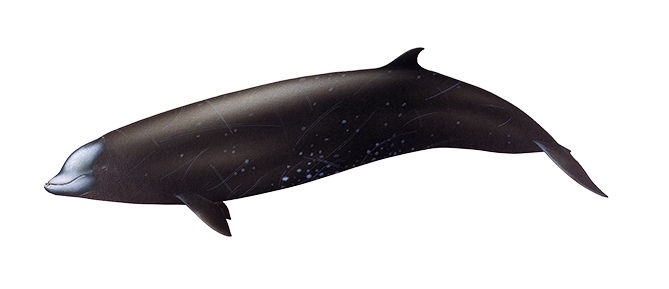
Cuvier’s beaked whale
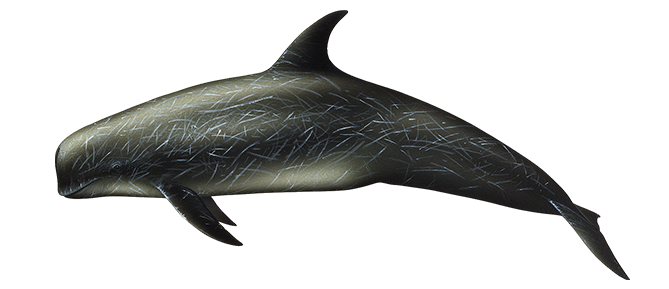
Risso’s dolphin
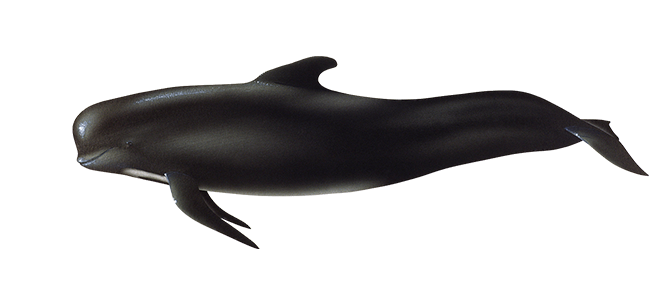
Long-finned pilot whale
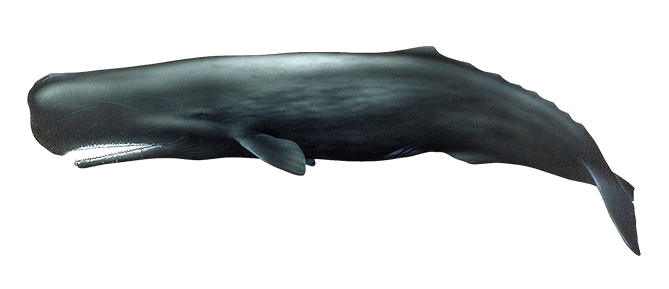
SPERM whale
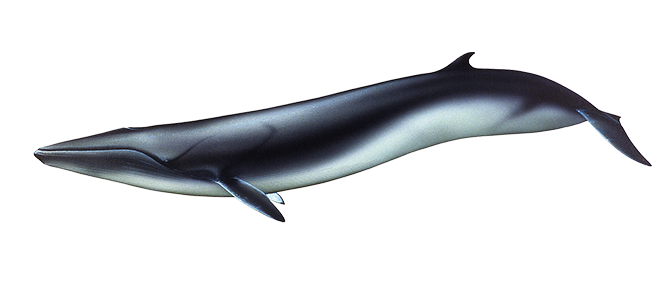
Fin whale
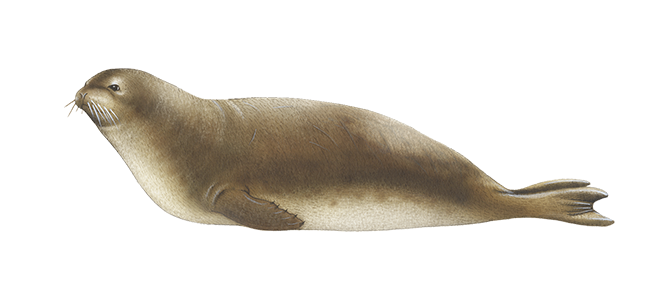
Monk seal








GET INVOLVED
The Pelagos Sanctuary belongs to everyone.
Get involved to protect marine mammals and their habitat


GET INVOLVED
The Pelagos Sanctuary belongs to everyone.
Get involved to protect marine mammals and their habitat
NEWS
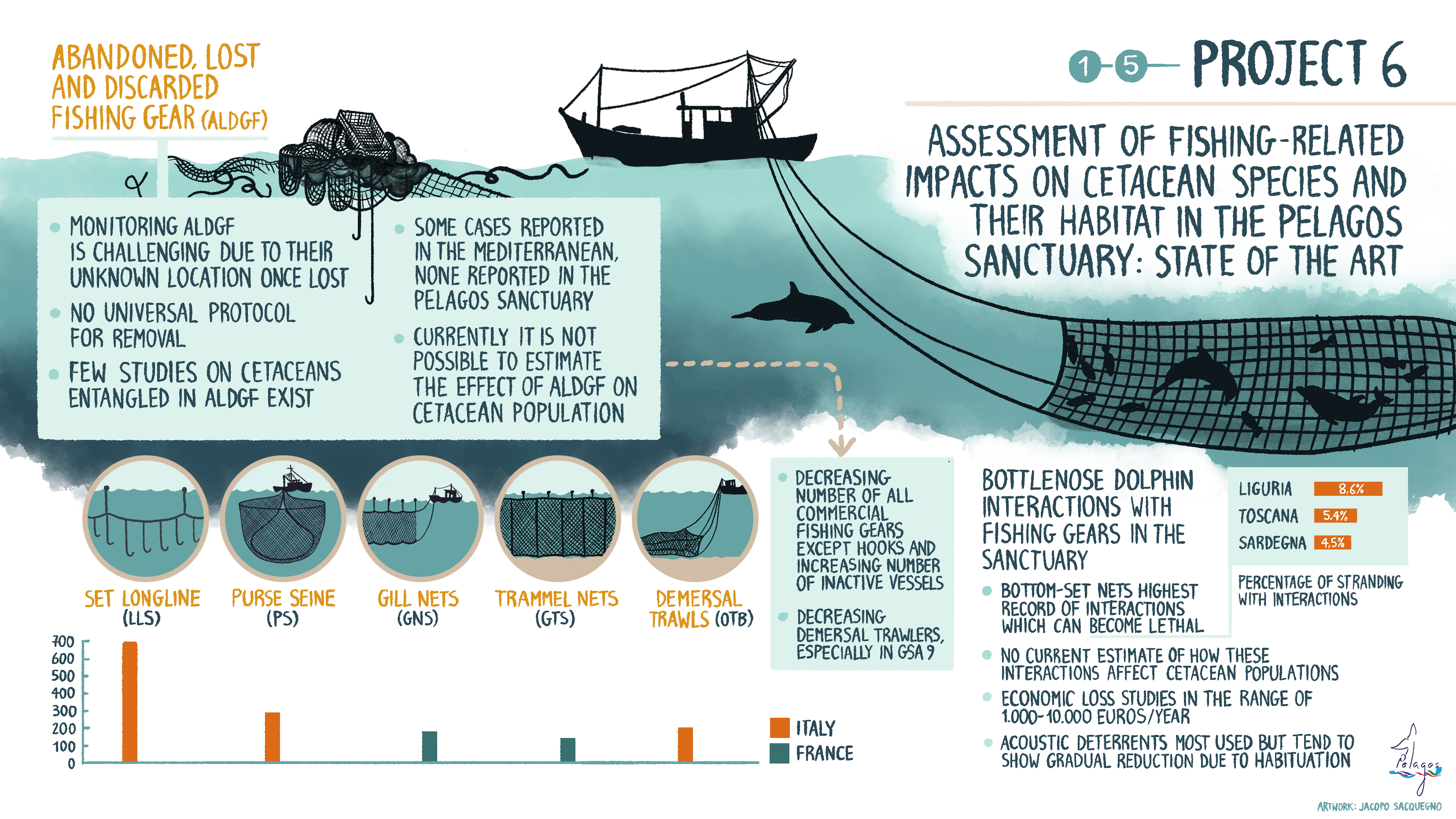
Fisheries and cetaceans in the Pelagos Sanctuary: an analysis for sustainable coexistence
Cetaceans and fishing in the Pelagos Sanctuary: a University of Genoa study analyzes impacts, risks and challenges for marine conservation.
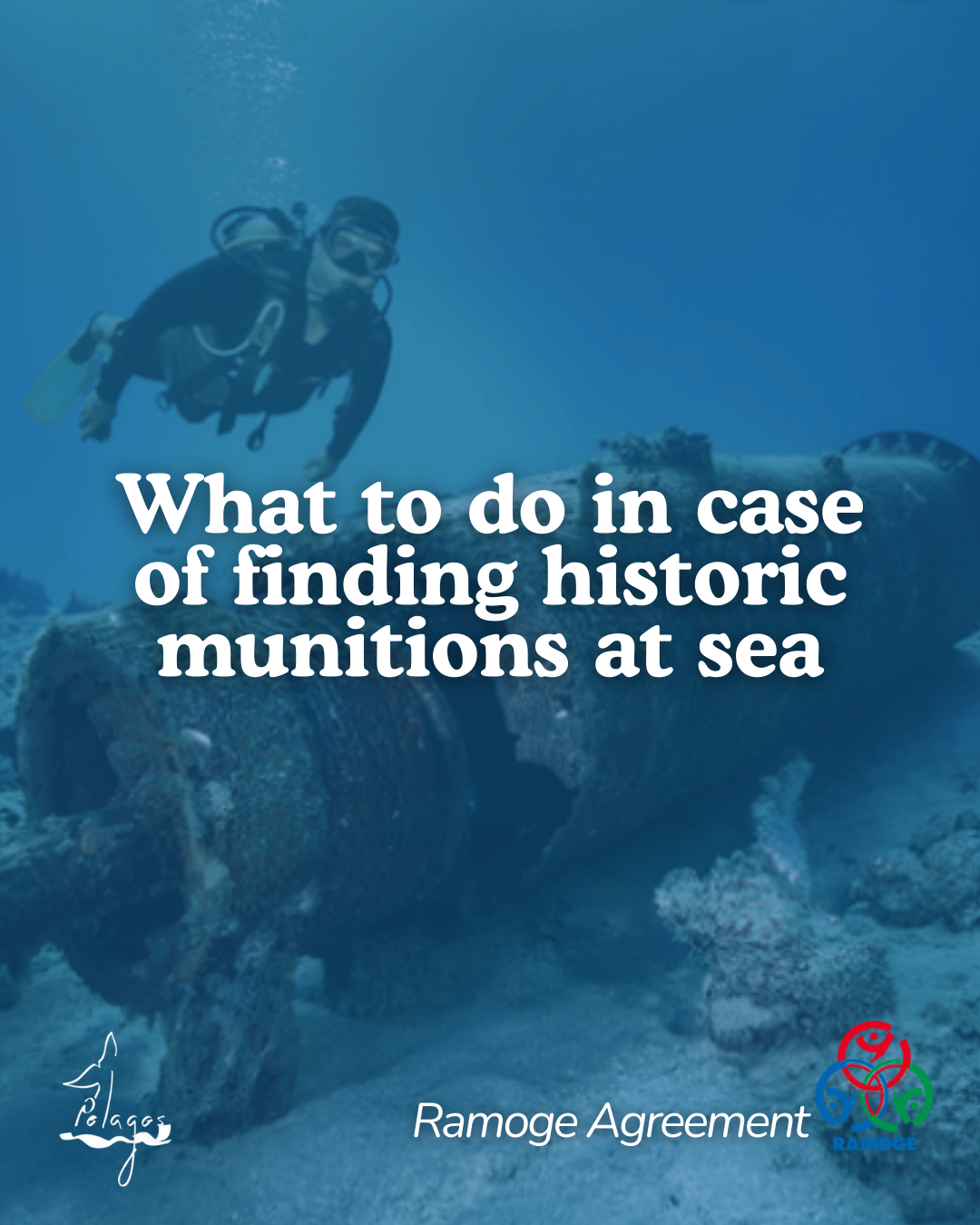
Ramoge Agreement: what to do if you find historic munitions at sea
Even decades after armed conflicts, the seabed can still conceal historic munitions posing a danger to marine habitats.
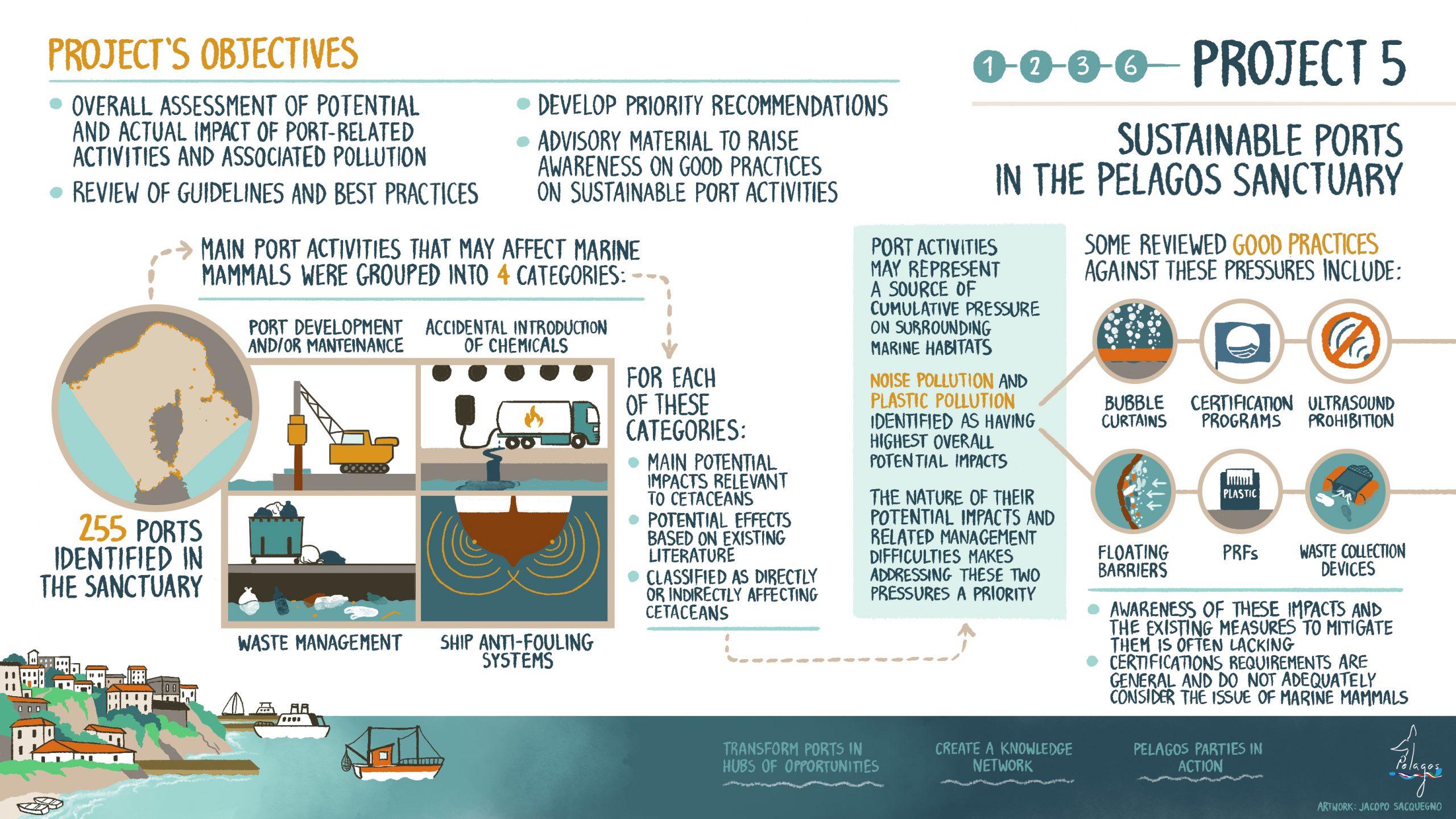
Sustainable port activities for the protection of setaceans: a roadmap for ports and marinas in the Pelagos Sanctuary
How can port and nautical activities be made more compatible with the conservation of marine mammals?
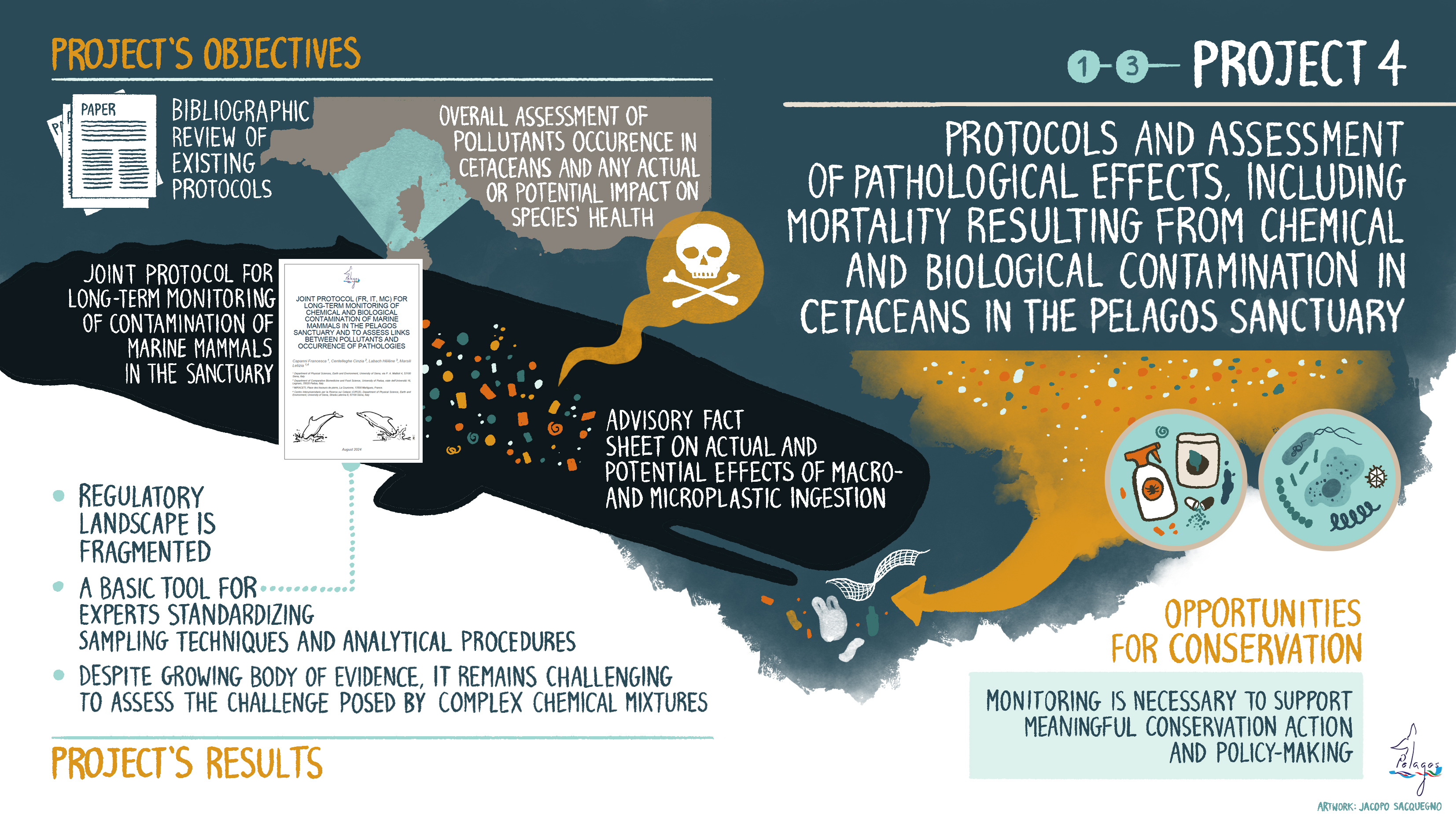
Pollution and cetacean health: a Pelagos study sheds light on chemical and biological risks in the Sanctuary
Pelagos Agreement has promoted a study to assess the pathological effects, including mortality, resulting from chemical and biological contamination in cetaceans inhabiting the Sanctuary.

Pollution in the Pelagos Sanctuary: a study to understand and protect
Pelagos launches a groundbreaking study on chemical and biological pollution threatening marine life and cetaceans.

A quieter ocean for the Pelagos Sanctuary: a study on maritime traffic and underwater noise
Over 60 million AIS data points from 2019 to 2023 analyzed for fin whales, sperm whales, Cuvier's beaked whales, and bottlenose dolphins.

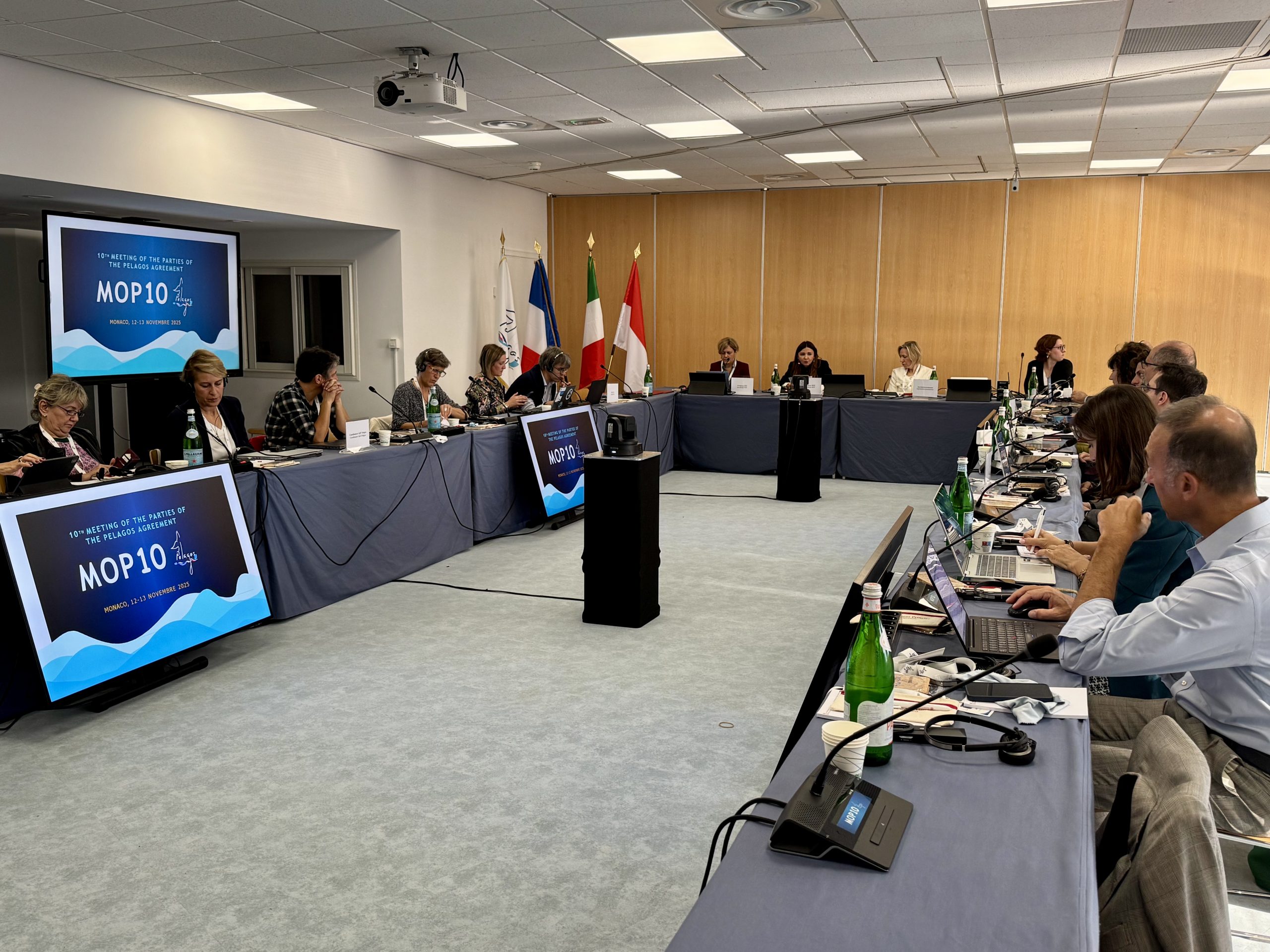
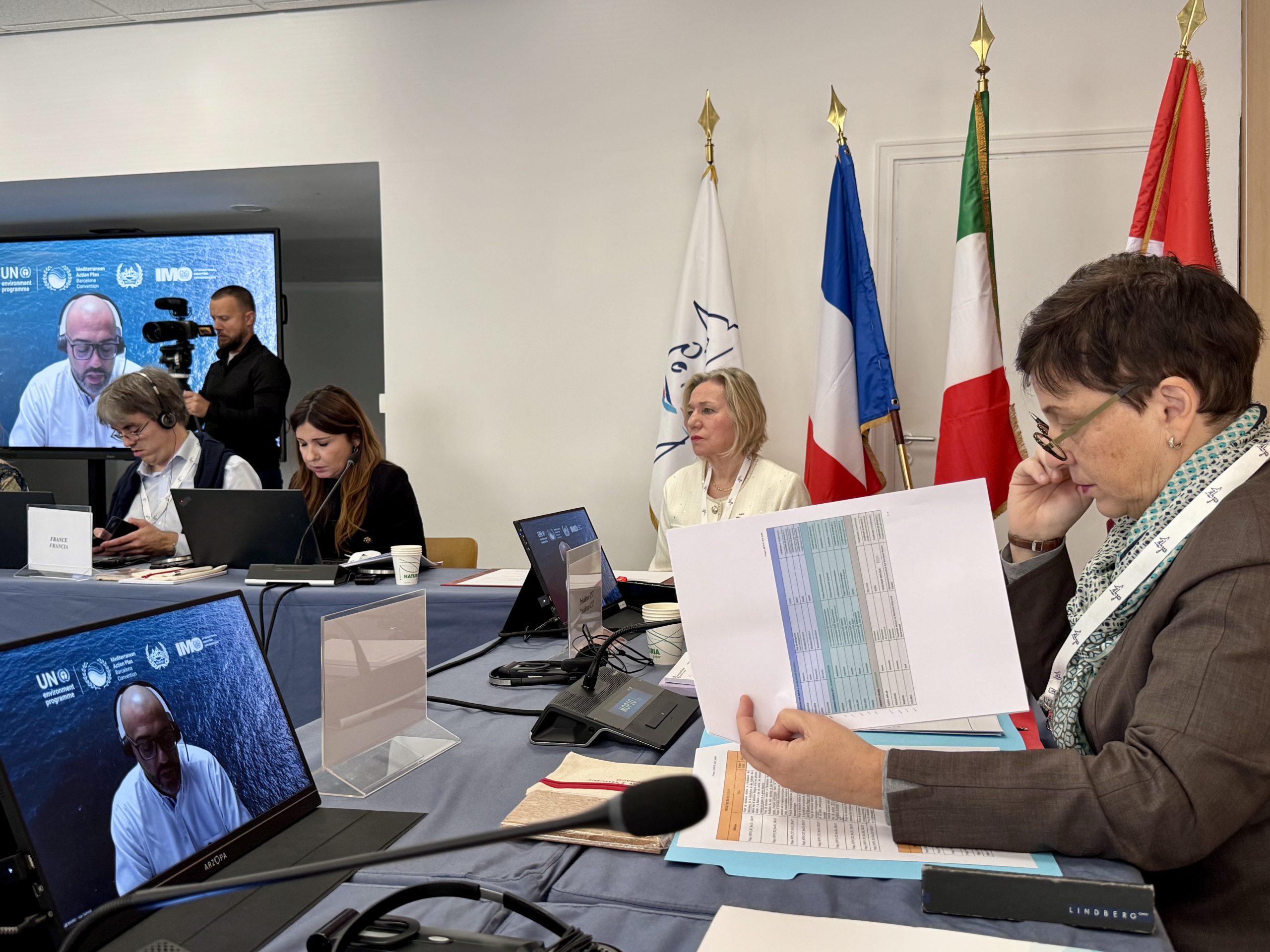
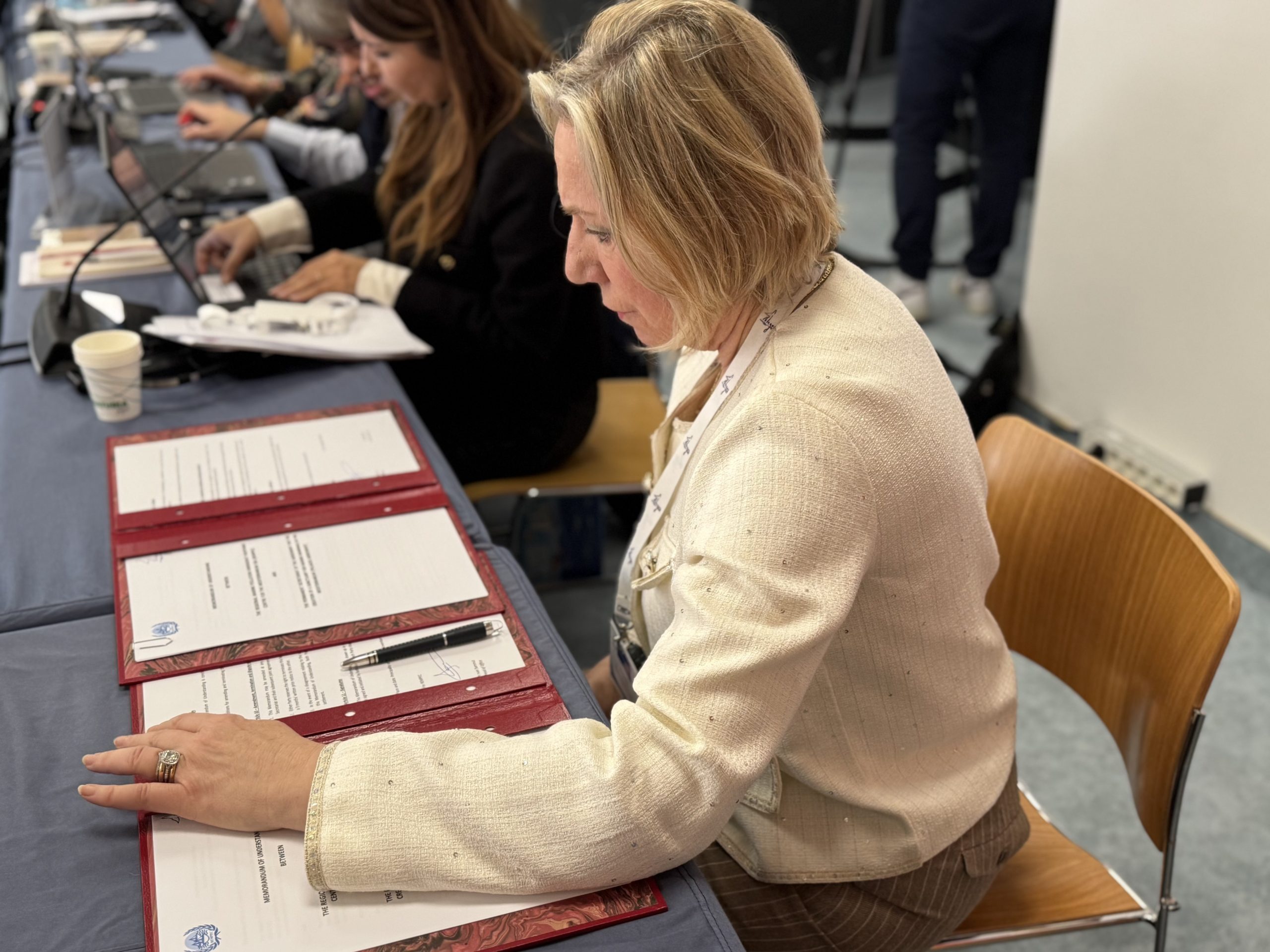
MOP10 – held in Monaco the 10th Meeting of the Parties to the Pelagos Agreement
On November 12 and 13, 2025, the 10th Meeting of the Parties to the Pelagos Agreement (MOP10) was held in Monaco, bringing together representatives of the three Member States (France, Italy, and the Principality of Monaco), as well as numerous partners, collaborators, and observers.

The Permanent Secretariat takes part in the Adapt-Pelagos workshop on sustainable cruising in the Pelagos Sanctuary
On September 16, 2025, at the Yacht Club of Monaco, the Permanent Secretariat took part in the meeting organized as part of the Adapt-Pelagos project, actively contributing to the thematic workshop dedicated to sustainable cruising and recreational boating in the Pelagos Sanctuary.
KEEP IN TOUCH
Subscribe to our newsletter and receive lastest news about Pelagos Sanctuary

Photos credits :
©S. Brouder – Tethys
©Cima Research Foundation
©L. Gordigiani – Tethys
©Juliette Dedet – MIRACETI
© Maurizio Würtz – Coll. Institut océanographique, Fondation Albert Ier, Prince de Monaco
© M. Würtz -Artescienza