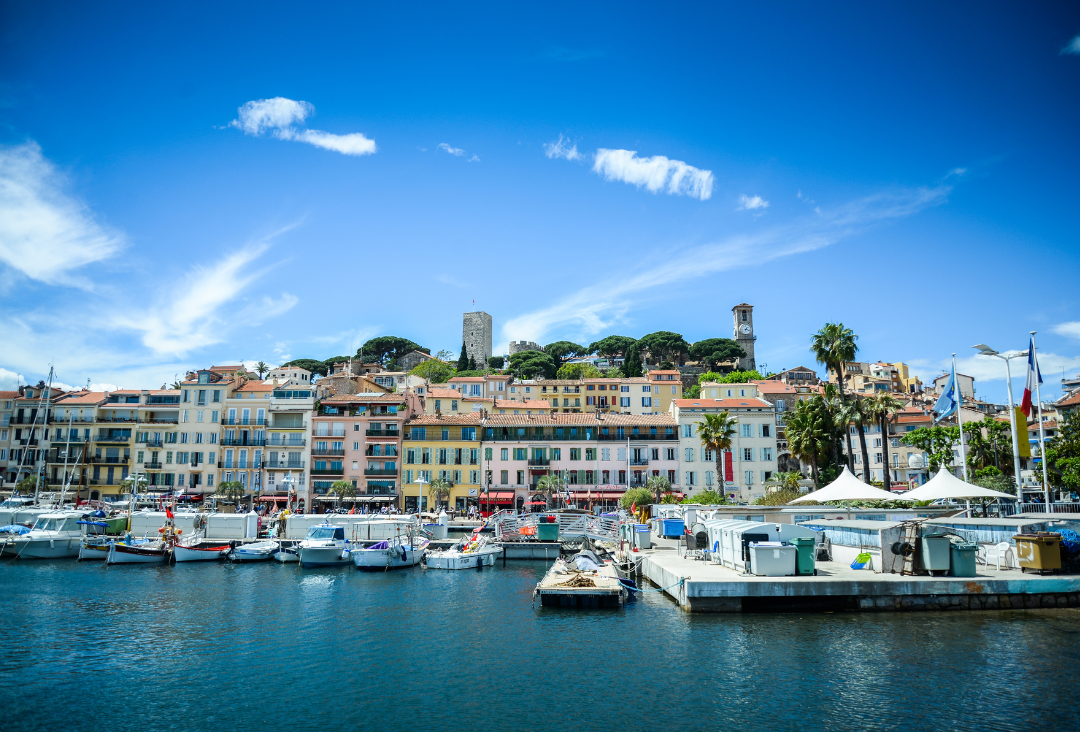
Pelagos and the challenge of recreational boating: the next step in the French Riviera
Pelagos studies the impact of recreational boating in the Sanctuary to protect whales and dolphins and promote sustainable practices.

Pelagos studies the impact of recreational boating in the Sanctuary to protect whales and dolphins and promote sustainable practices.
Pelagos studies the impact of recreational boating in the Sanctuary to protect whales and dolphins and promote sustainable practices.
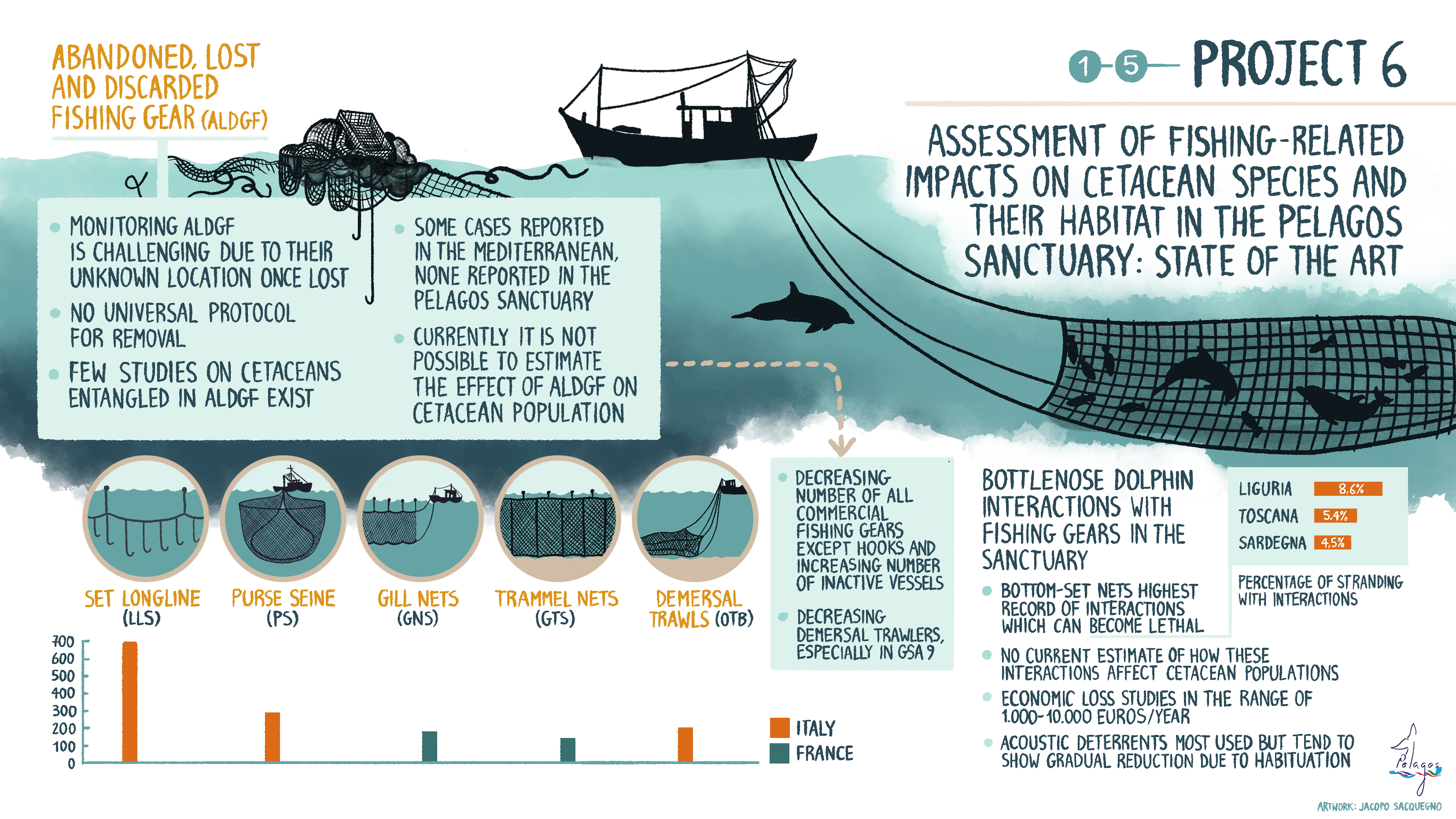
Cetaceans and fishing in the Pelagos Sanctuary: a University of Genoa study analyzes impacts, risks and challenges for marine conservation.
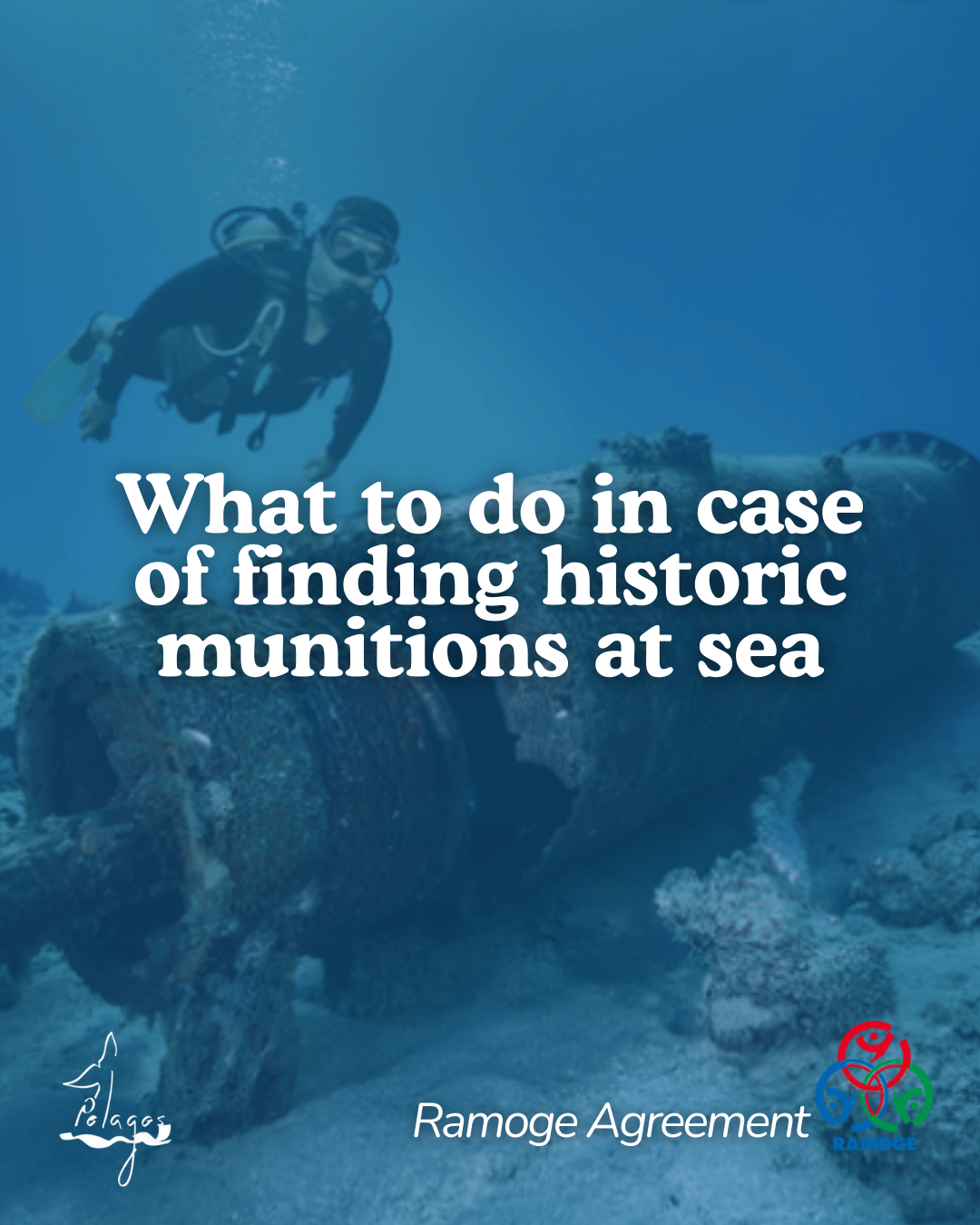
Even decades after armed conflicts, the seabed can still conceal historic munitions posing a danger to marine habitats.
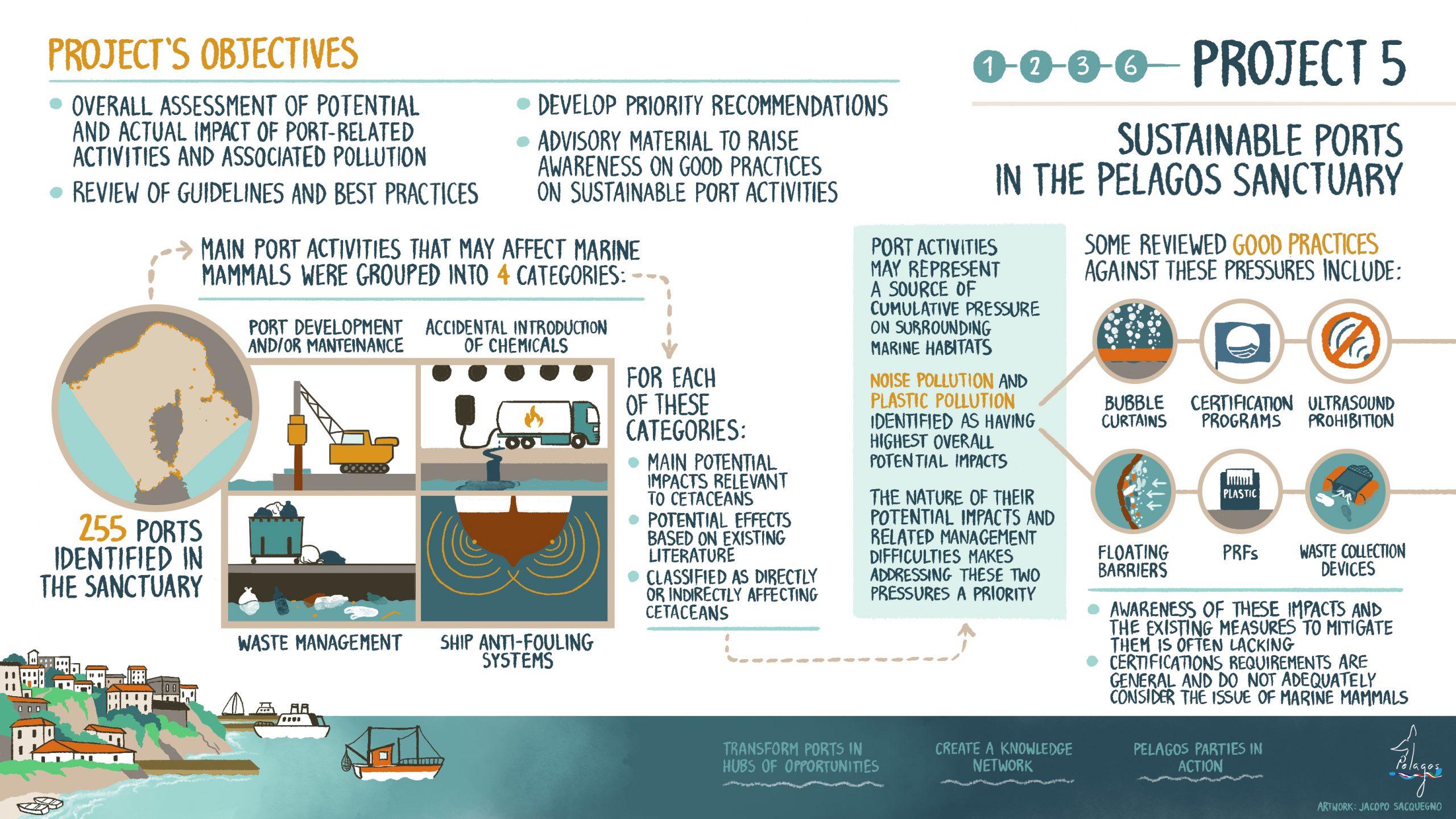
How can port and nautical activities be made more compatible with the conservation of marine mammals?
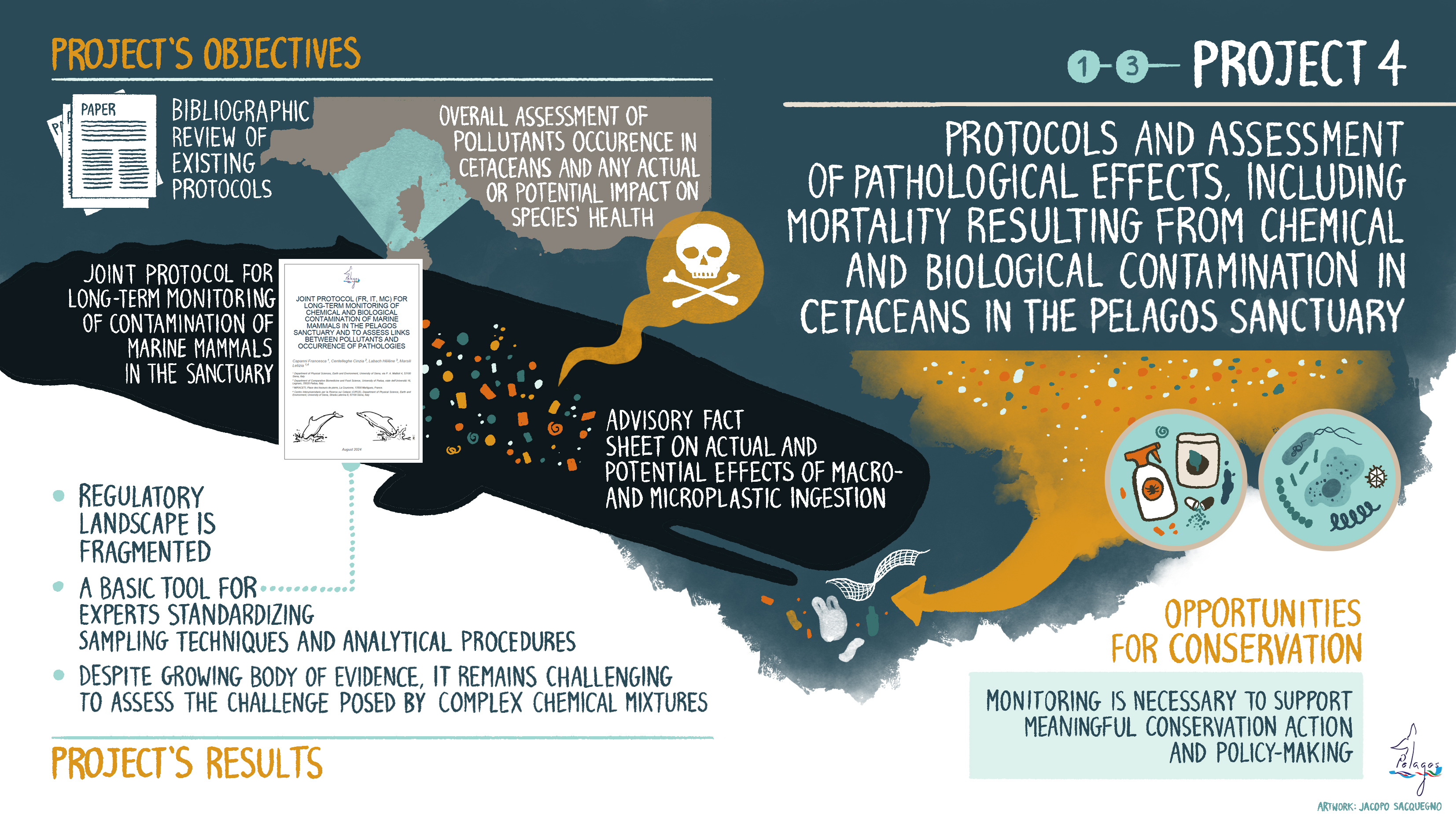
Pelagos Agreement has promoted a study to assess the pathological effects, including mortality, resulting from chemical and biological contamination in cetaceans inhabiting the Sanctuary.
Pelagos launches a groundbreaking study on chemical and biological pollution threatening marine life and cetaceans.
Over 60 million AIS data points from 2019 to 2023 analyzed for fin whales, sperm whales, Cuvier's beaked whales, and bottlenose dolphins.
How many cetaceans live in the Pelagos Sanctuary? A new study reveals where they are, how many there are, and how to better protect them.
On June 3–4, 2025, the 17th Scientific and Technical Committee (STC17) of the Pelagos Agreement took place in Riomaggiore, within the Cinque Terre National Park.

secretariat@pelagossanctuary.org
+377 92 16 11 55
Tour Odéon B1 – 36, av. de l’Annonciade MC
98000 MONACO
In order to stay informed, subscribe to the Pelagos NEWSLETTER
© Copyright 1999 - 2026 Pelagos Sanctuary | All Rights Reserved | Website by Rauba Capeu - Digital agency in Nice